
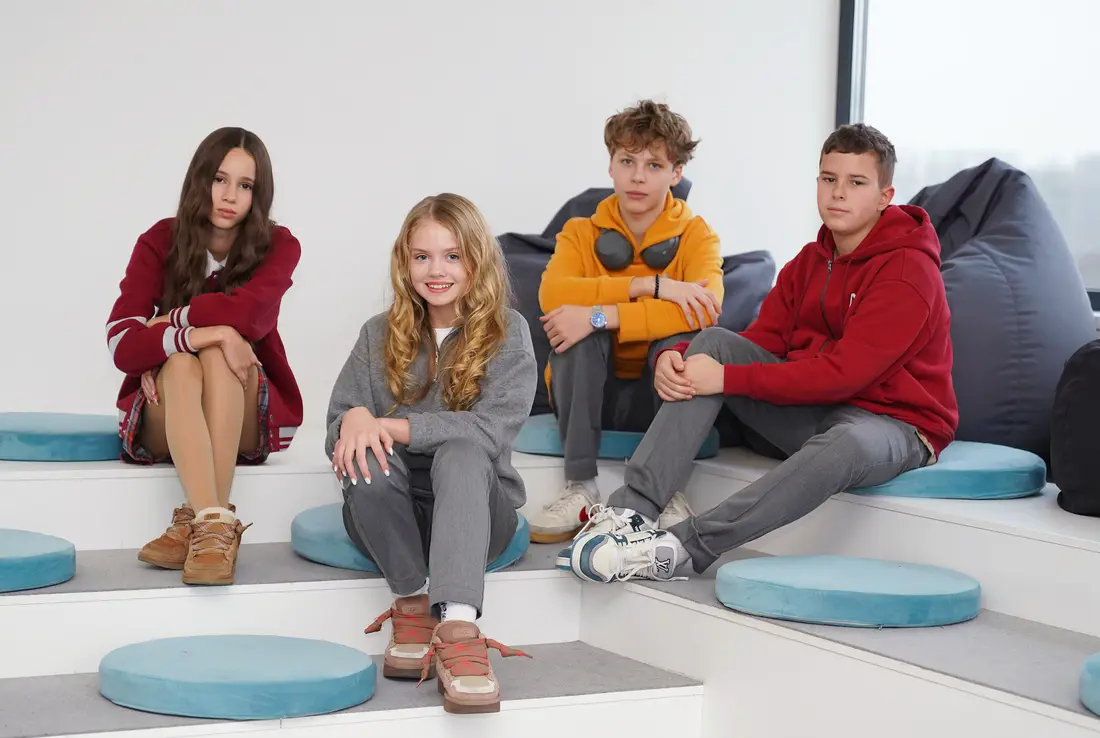
Parents and teachers often feel a sharp mental gap when communicating with young people. It seems as though each new generation grows more autonomous in its thinking. Zoomers, for instance, respond differently to criticism, hold their own value system, and refuse to accept pressure. They reject old hierarchies, choosing sincerity over formal authority.
Understanding what drives a zoomer should be more than just a way to avoid arguments — it’s the only path to building genuine trust. This generation carries enormous potential, which only unfolds through equal dialogue, not through coercion or criticism of their habits.
Generations by Year: Who Are Zoomers and When Were They Born
Sociology divides society into groups based on birth period, with each generation shaped by the historical events of its time. A typical zoomer entered a world that was already digital — which is exactly why these people have never known life without the internet.
Types of Generations: From Baby Boomers to Generation Alpha
Generational theory identifies several core groups that shape our society. Baby Boomers value stability; Generation X focuses on career. Millennials introduced flexibility and remote work formats. But the zoomer was the first true “digital nomad.” Today we’re watching Generation Alpha emerge — people who barely distinguish between the physical and virtual worlds, having interacted with neural networks and smart devices as a natural environment since their very first months of life.
Every birth year defines a person’s cultural code. Any zoomer differs from someone born just a year or two before the turn of the millennium. This generation combines global trends with rapid information exchange, and zoomers are remarkably quick to adapt to new conditions.
Generation Z Years: Key Events That Shaped Their Worldview
This group includes people born between 1997 and 2012. The turn of the millennium marked a threshold beyond which an entirely new generation began. Their worldview was shaped by several key factors:
- access to high-speed internet from childhood;
- global economic instability and environmental threats;
- the rise of social media as the primary platform for self-expression.
These experiences taught zoomers to be mobile. They see the world as an open system without borders, value the ability to rapidly filter massive information flows, and feel a sharp sense of injustice when it prevails in society.
The Zoomer Generation: Values and Differences from Previous Generations
The values of today’s youth have shifted significantly toward self-awareness. For a zoomer, mental health matters more than social expectations. People of this generation need meaning in everything they do, and authenticity is valued above all else.
Millennials and Generation Z: The Key Differences
Although both groups are close in age, millennials remember the world before smartphones. For them, technology was a novelty; a zoomer was born with a gadget in hand. Millennials pursued success, while zoomers seek emotional comfort. This generation is less drawn to accumulating possessions — a typical zoomer will choose experience over property.
While millennials built social networks, zoomers learned to live and earn within them. For this generation, the line between online and offline barely exists. Zoomers treat virtual space as reality and have no tolerance for artificiality in advertising or communication.
Generation Z: How the Digital Environment Shaped Their Thinking
Instant access to global databases and the absence of information barriers have made this generation extraordinarily well-informed. Zoomers treat the internet as an extension of their own memory, allowing them to verify any fact within seconds. In this generation, knowledge is built not on memorization but on the ability to instantly find and analyze what’s needed amid the noise.
These individuals have developed a clip-based thinking style that allows rapid switching between topics, though a zoomer always needs visual support for any idea. They prefer short video formats and are capable of processing information from multiple sources simultaneously. They expect instant feedback on their actions — if a system is slow, a zoomer loses interest in it. High-speed living is their natural norm, and they value conciseness and clarity.
Generation Z: How Zoomers Learn and Process Information
Traditional educational models no longer meet the needs of today’s youth. Zoomers want to understand the practical value of what they’re learning. In this generation, theory without practice is seen as a waste of time. A typical zoomer learns through action and interaction.
Generation Z in School: What Doesn’t Work with Old Methods
A directive teaching style only triggers resistance in young people. No zoomer will sit through a monotonous lecture. For this generation, the teacher must be a facilitator, not a dictator. When a zoomer feels pressured, they shut down. Effective learning for zoomers requires:
- interactive platforms and gamified processes;
- freedom to choose topics and an individual development path;
- rapid feedback and visual representation of complex concepts.
Without these conditions, a zoomer quickly loses motivation. This generation needs to see results here and now. A typical zoomer wants to influence the process of their own learning.
How to Teach Generation Z: Approaches That Deliver Results
Learning for zoomers must be applied and dynamic. People of this generation absorb knowledge best through video content and concise instructions. They value the ability to find solutions independently. A typical zoomer works well in a team when the goal is clear, and when engaged in a project, their productivity is remarkable.
It’s important to support their creative initiatives. Zoomers need recognition not for grades, but for effort. They treat mistakes as part of the experience and are always open to experimentation and innovation.
Generation Z: How Zoomers Build Relationships with Parents and Teachers
The foundation of relationships for today’s youth is emotional closeness rooted in mutual respect. Zoomers see protecting their personal boundaries not as a whim but as a basic need — without which constructive dialogue is impossible. This deep self-awareness naturally cultivates respect for every individual’s rights.
A typical zoomer doesn’t just want to be present in a conversation — they need to feel heard and understood. Sincerity is the main currency in communication with them.
The Zoomer Generation and Parents: Common Conflict Points
Most misunderstandings arise from different attitudes toward gadgets and careers. Millennial parents often worry about the future, while a zoomer lives in the moment. Among Generation Z, rejecting traditional careers is common. When a zoomer chooses freelance work, it often frightens adults — but they see it as freedom and growth.
For this generation, openly discussing emotions is essential. If parents dismiss their feelings, a zoomer withdraws. They need support for their interests, even when those interests seem unusual. Trust in this generation is built on honesty — a zoomer can sense insincerity in an instant.
How to Connect with a Generation Z Teenager: Practical Approaches
Dialogue with a Gen Z person must be built on equal footing. No zoomer will accept instructions without explanation. Key communication principles include:
- listening without judgment or criticism of their appearance;
- showing genuine interest in their digital world without exercising total control;
- creating shared rules at home together and following through on them.
This helps reduce tension, since Generation Z values quality time spent together above almost everything else. Zoomers remember moments of genuine support for a long time — these become the foundation of mutual trust. Any of them will respond willingly to a request when it’s expressed with respect for who they are, rather than delivered as an order.
The Zoomer Generation: Strengths That Are Changing the World
Today’s youth is the primary engine of social transformation. Zoomers care deeply about the environment and the future of the planet. This generation has a high level of tolerance for diversity. A typical zoomer is not inclined to judge people by labels.
Generations by Year: Why Zoomers Are Best Prepared for Change
The world grows more complex each year, but a zoomer is ready for it. From birth, these individuals have lived in conditions of constant change. Adaptability is a core skill in this generation. Every zoomer knows how to find information and learn quickly — while others hesitate, they act. Entrepreneurial spirit emerges very early. Any zoomer can build a business from a smartphone, and these people are not afraid to change careers several times throughout their lives.
Generation Z in Ukraine: Context and Challenges
Ukrainian youth is forged through hardship. Our zoomers understand the value of freedom. This generation has a strong sense of volunteerism and civic responsibility. The Ukrainian zoomer combines global values with national identity and dreams of rebuilding and developing the country. Generation Z in Ukraine is technologically literate and resourceful — they actively support the military and create social initiatives. This generation is developing remarkable resilience of spirit. It is fair to say they are the future of our nation.
The Zoomer Generation: Conclusions for Parents and Educators
In summary, it’s worth acknowledging: the current generation is not a problem — it’s a new set of possibilities. Zoomers are not better or worse; they are simply different. These individuals carry an innovative vision of the world, and it’s important to see in them a personality, not merely an age. Making the effort to understand the logic by which this generation lives is the key to earning their trust — while critical remarks will only raise new barriers in communication.
Start treating teenagers as equals today. Try to genuinely hear what your zoomer is saying, and you’ll be surprised by the depth of their thinking. Only through respect can we build a world where every generation feels at home.


