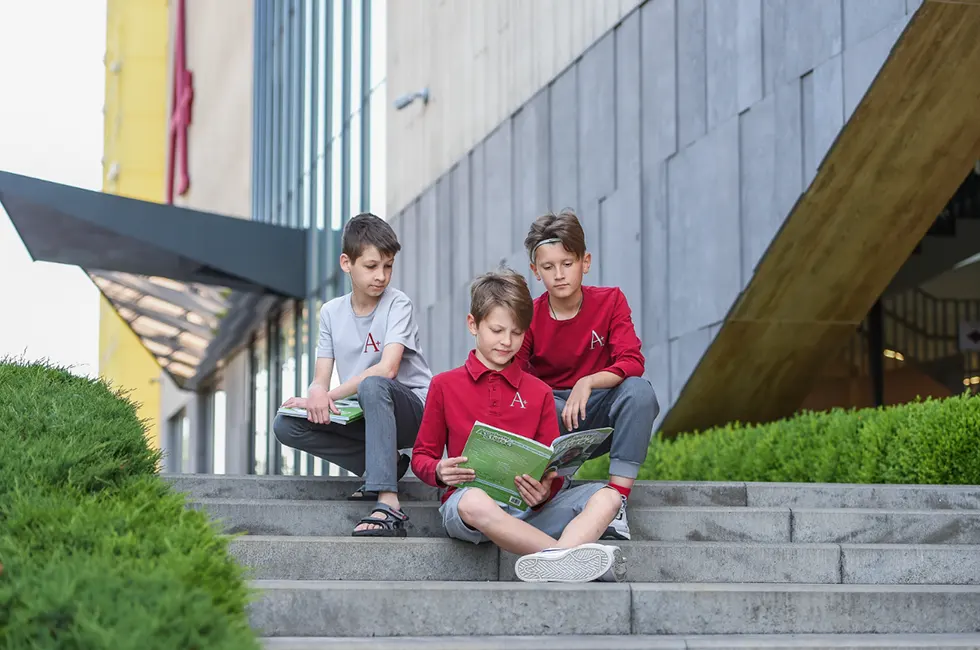
Summer feels like a different mode for children. More walks, games, trips, and of course gadgets. In that rhythm, books often take a back seat. Parents worry — they want their children to keep their skills sharp. But forcing it doesn’t work. Summer reading shouldn’t come from a sense of obligation, but from genuine interest. With the right approach, a book can become part of the fun rather than just another task.
How to Get a Child Interested in Reading: Where to Start This Summer
The question of how to get a child interested in books isn’t really about page counts. It starts with choosing the book. It’s important for the child to feel that it’s their decision. The best approach is to choose books together — let them browse covers, read blurbs, even just hold the book in their hands. This creates an emotional connection.
Interesting summer books don’t have to come from the school reading list. Sometimes one captivating story does more than ten “required” ones. If a child reads about something they genuinely care about, they do it willingly. It’s also important not to rush — interest in reading develops gradually. And if a child only read a few pages today, that’s already a step forward.
How to Build a Reading Habit: The Role of Parental Example
Children pick up on adult behavior very precisely. If parents don’t read themselves, it’s hard to explain why reading matters. So how do you build a reading habit? Start with yourself:
- Read at home
- Talk about books
- Share your impressions
Even brief conversations about books create a sense that reading is something valuable. You can read together, take turns, or read aloud. It’s not just about the skill — it’s about shared time. One more thing: don’t turn reading into a monitoring exercise. It’s better to make it part of the family atmosphere.
Interesting Summer Books: How to Match a Book to Your Child’s Interests
Choosing the right book is crucial. A poor choice quickly kills motivation. Summer reading books should be selected based on interests. Some kids love adventure, others prefer humor or science fiction — and that should be taken into account.
Format also matters. Some children find short stories easier, others prefer longer novels. The difficulty level is equally important — the text should be understandable. Otherwise the child tires quickly and loses interest.
Summer Reading: How to Make It a Habit Without Forcing It
For books to become a summer habit, some organization helps — but without rigid rules. Reading fits best into the day naturally, such as after a walk or before bed. This creates an association with calm and relaxation.
The setting matters too. A cozy corner, a blanket, a favorite pillow — small things that create the right atmosphere. Rituals help. When there’s repetition, a habit forms. Over time, picking up a book stops feeling like an effort.
Summer Reading Books: How Much Time to Set Aside Each Day
Parents often ask about a daily norm, but there’s no universal number. Summer books should be about enjoyment, not fulfilling a quota. For some children that’s 10 minutes, for others it’s an hour. It’s best to start small and gradually increase the time. Follow the child’s cues — if they’re tired, take a break; if they’re absorbed, don’t cut it short.
What I Read This Summer: How to Keep a Reading Journal or List
The phrase “what I read this summer” can sound like a report, but it’s easy to turn it into a game. A reading journal doesn’t need to be formal. It can be a scrapbook, a notebook, or even a set of stickers. A child can write down titles, draw characters, and jot down short impressions. It helps them make sense of what they’ve read.
A few simple ideas for formatting the list:
- Draw book covers
- Rate books with stars
- Write down favorite quotes
- Add short comments
These formats bring the process to life, and the child starts to see each book as a personal experience.
Summer Reading Books for Children of Different Ages
Books should match the child’s age — that’s the basic rule.
Preschoolers need to listen. Bright books with lots of illustrations work best. Emotional connection is what matters most here.
Early school-age children can already read on their own, but still need support. It’s important to combine independent reading with shared reading.
Teenagers are a different story. They value freedom — it’s better to suggest books rather than assign them.
Summer Books for Early School-Age Children
At this age, the goal is to reinforce interest. If a child reads with pleasure, the skill develops naturally. Books for this group should be dynamic, with an engaging plot and accessible language. Stories featuring characters they can identify with work especially well — it deepens engagement. And it’s worth giving children a choice, even if it’s just between a few options.
How to Get a Teenager to Read Over the Summer: Formats and Genres
Teenagers often resist reading. But that doesn’t mean they’re not interested — it’s more about how you spark that interest.
Give them freedom in choosing genres. It could be mysteries, sci-fi, or non-fiction. Format matters too: e-books, audiobooks, even graphic novels — all of these work.
The main thing is not to dismiss the child’s choice or compare it to “proper” books.
How to Get Kids to Read Over the Summer: Conclusions for Parents
Getting a child to read over the summer isn’t about control — it’s about environment and support. Regularity matters more than volume. A little reading every day beats a lot of reading once in a while. Support matters more than criticism — the child should feel that their efforts are noticed.
And most importantly, reading should bring joy. When it does, everything else gradually falls into place. Try making a summer reading list together with your child today. It’s a simple step — but that’s exactly where the habit begins.