More and more parents today are thinking about alternatives to traditional school. The reasons vary — relocation, a child’s health condition, or dissatisfaction with the quality of education. Sometimes it comes down to a child’s individual needs that are difficult to accommodate in a regular classroom.
One important thing to understand: changing the format of education is a legal right of parents. It is provided for under Ukrainian law and doesn’t require complicated approvals if you go about it correctly. This article explores how to choose a learning format, how to handle the paperwork, and when such a change is genuinely needed.
What Learning Format to Choose: An Overview of Available Options
Ukraine’s education system gives parents more freedom than it might initially seem. There are several formats, each with its own characteristics. The most common options are:
- In-person schooling
- Distance learning
- Home education (homeschooling)
- External study (ekstерnat)
They differ not only in method but also in the level of parental responsibility involved. In-person is the classic school format. Distance learning means studying online through a school. Home education places the responsibility for learning almost entirely on the parents. External study allows a child to complete the curriculum faster than the standard school pace.
Before making a decision, it’s important to assess not just the curriculum but also the child’s temperament, their independence, and the family’s available resources.
In-Person Schooling: When Traditional School Is the Right Choice
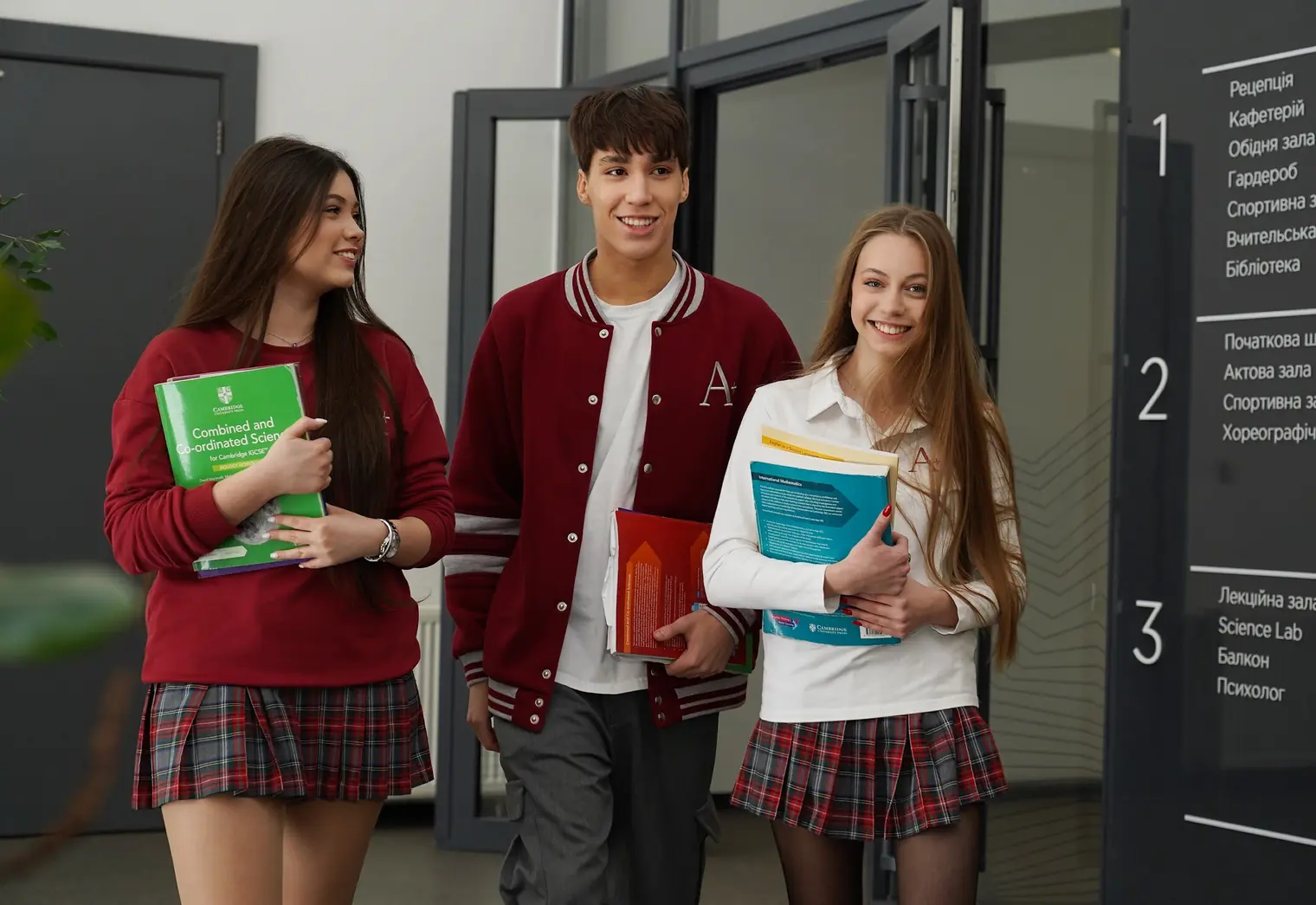
In-person schooling remains the default format for most children. It provides structure, socialization, and a clear daily rhythm. A child interacts with peers every day, learns to work in a team, and receives support from teachers. This is especially important at a younger age.
This format works well for children who need clear discipline, or who find it difficult to organize themselves independently. But even the best school isn’t a universal solution — sometimes it stops meeting the needs of a particular child.
Distance Learning at Home: Who Is It Right For?
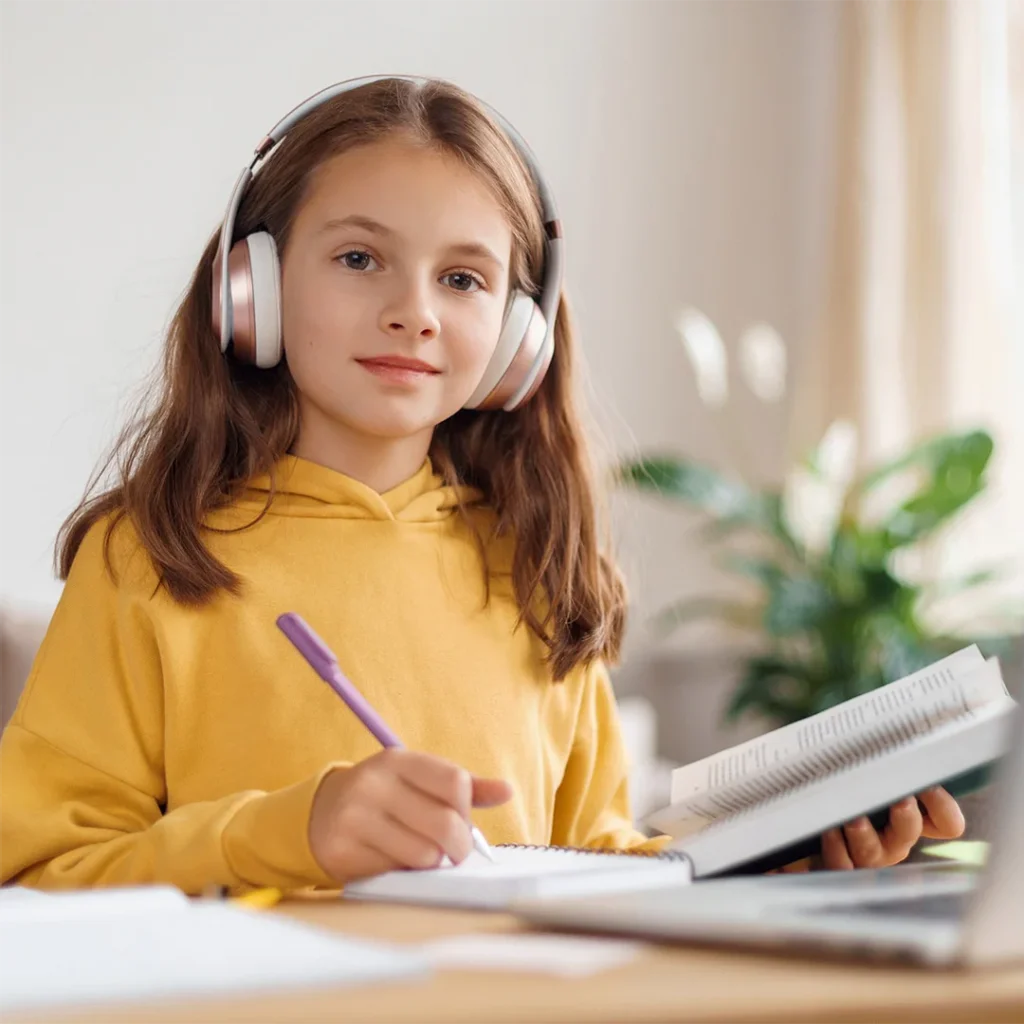
Distance learning has become especially relevant in recent years. It offers flexibility and the ability to receive a solid education from anywhere in the world. It suits children who tire quickly in noisy environments, those who are frequently ill, and families who are relocating or living abroad.
At the same time, distance learning requires self-discipline from both the child and the parents. Without structure, it’s easy to lose momentum. Before making the switch, it’s worth honestly assessing whether the family is ready for this format.
How to Switch to Distance Learning: A Step-by-Step Guide
Many parents aren’t sure how to make the transition properly. In practice, the process is straightforward:
- Choose a school. This can be the child’s current school or another institution that offers distance learning.
- Submit an application addressed to the school principal, stating the desired format and the reason for switching.
- The school reviews the request — usually within a few days. In some cases, additional documents may be requested.
The transfer is formalized by an order from the school principal, after which the child officially moves to the new format.
Grounds and Conditions for Switching to Distance Learning
The law does not limit parents to a strict list of acceptable reasons. The most common ones include:
- Health conditions
- Psychological discomfort
- Relocation
- Dissatisfaction with the quality of education
Importantly, a school cannot refuse without valid grounds. If the school has the capacity to organize the learning process, the application must be approved. However, it’s worth checking the specific conditions at the school in question, as each institution may organize things slightly differently.
How to Apply to Return to In-Person Schooling
Circumstances change, and sometimes a child needs to return to school. In this case, an application is submitted requesting a return to in-person attendance. The document should include:
- The child’s details
- The name of the school
- The desired date of return
- A parent’s signature
After this, the school issues an order and the child returns to the classroom.
Applying for Home Education: How to Switch to Homeschooling
Home education is the most autonomous option, with responsibility for the child’s learning resting almost entirely on the parents. To make the switch, an application is submitted to the school principal.
After the application is filed, the school arranges for the child to take formal assessments. This is the key point: the child doesn’t attend classes, but must demonstrate their knowledge — typically several times a year.
What the Application Should Include
The document is quite simple. It should state:
- The child’s full name
- Their year/grade
- The name of the school
- The chosen form of education
It’s also worth briefly stating the reason — for example, family circumstances or the child’s individual needs. A date and signature at the end are all that’s required for an official transition.
Returning to School After Home Education
The return process follows the same logic. An application is submitted expressing the wish to resume in-person attendance, along with the desired start date. The school may conduct a knowledge assessment to determine the child’s level, after which an order is issued and the child returns to class.
When to Consider Changing the Learning Format
The question isn’t only which format to choose — it’s also knowing when a change is actually needed. There are several signals, not always obvious, that shouldn’t be ignored:
- The child is under constant stress
- They are afraid of school or losing interest in learning
- There are ongoing conflicts with classmates or teachers
- The format simply doesn’t suit the child
When In-Person Schooling Stops Working
Even good in-person schooling may not suit a particular child — and that’s normal. Persistent exhaustion is a reason to reflect. So is declining academic performance without an obvious cause. Emotional state is another important signal: a child may become withdrawn or anxious. In such cases, it’s worth exploring alternatives without being afraid of change.
Home Education: Pros, Cons, and Risks for Parents
Home education has many advantages. It offers freedom, allows for an individualized schedule, and lets the child learn at their own pace and explore topics of interest more deeply.
But there is another side. It places a significant burden on parents — organizing the process, monitoring progress, and ensuring the child doesn’t miss out on socialization. Children still need contact with peers. This decision should be made thoughtfully, ideally after consulting with specialists.
Conclusions for Parents
There is no single correct option. Every child is a unique case, and every situation is different. The main rule is to focus on the child’s needs — not on the expectations of society or acquaintances.
Changing formats is not a problem — it’s a tool recognized by Ukrainian law. Used correctly, the outcome can be very positive. Before making a decision, it’s worth speaking with teachers or a psychologist to avoid mistakes. And remember: flexibility in education is not a weakness — it’s a modern approach.